About

Two beliefs guide my work:

Building is thinking. You don't truly understand something until you've built a version of it. I've carried this from homemade breadboard CPUs to billion-user products. As AI drops the cost of building to near zero, thinking and building become the same act. That's why I still build things in my spare time.

The phone will be deconstructed. Its monolithic screen and grid of apps exist because humans need direct manipulation, but AI and AR are changing that. Most people assume this means voice interfaces, but consider how terrible a McDonald's drive-thru would be without the physical menu. Voice and screens dynamically working together is the better path. At Meta, I've spent the last several years building that vision.
Work
  • May 2022 – Current
    Meta
    Director of Product, AI & AR Glasses

    I originally led the team that built the user experience for Orion, Meta’s prototype AR glasses. Now I lead a large team of PMs and managers building key experiences, from communications and navigation to entertainment and everyday utilities, across Ray-Ban Meta, Oakley Meta Vanguard, and Meta Ray-Ban Display with its neural input band.

    Meta sold over 7 million glasses in 2025 with Mark calling them “some of the fastest-growing consumer electronics in history.” Ray-Ban Display was named one of TIME’s Best Inventions of 2025. Recent updates from my team added a teleprompter and EMG-based handwriting in messages, and the first major OS update brought new games, widgets, Instagram Reels, live captions for calls, and a calendar app.

  • Jun 2017 – May 2022
    Facebook
    Director of Product, Facebook Communities & Search

    I started as the first Communities PM in Seattle and grew the team across Facebook Groups, Events, and Search, used by over 1.8 billion people every month. Our biggest shift was moving from static social graphs to AI-powered, interest-based recommendations, fundamentally changing how people find communities on Facebook. I also led the transition from offline to online events during the pandemic.

  • Nov 2015 – Jun 2017
    Microsoft
    Principal Program Manager, Mixed Reality & HoloLens

    Our team shipped the first HoloLens and the first OS for mixed reality. I focused on designing how people interact with Windows Mixed Reality and HoloLens, including how apps live in 3D space, how you move through the interface, and how gaze, gestures, and controllers work together. I also built a low-latency teleportation system for VR that reduced motion sickness.

  • Dec 2013 – Nov 2015
    Microsoft
    Senior Program Manager, Windows 10

    I designed and shipped Snap Assist and Continuum for Windows 10. Continuum let 2-in-1 devices switch between tablet and desktop mode automatically. I took it from first concept through shipping code, spanning UX down to kernel and firmware. I defined the windowing and multitasking APIs for the Universal Windows Platform, bridging classic Win32 with modern adaptive apps.

  • Mar 2012 – Dec 2013
    Microsoft
    Program Manager II, Windows 8/8.1

    Windows 8 shipped with a rigid multitasking model that didn’t work well for most people. I designed the flexible side-by-side multitasking in 8.1 that fixed it, and built the system animation engine that kept the UI running at 60 fps on highly constrained ARM-based Surface hardware. This work became the foundation for Windows 10 multitasking.

  • Sep 2010 – Mar 2012
    Microsoft
    Product Planner II, Surface

    Founding member of the Surface team as its first Product Planner, back when it was a dozen people in an incubation lab. I helped shape the vision for what became a multi-billion-dollar product line. I ran research into how people actually write by hand and found that quick, natural handwriting was something nobody was solving for. This work guided the creation of the Surface Pen and Windows Ink, and influenced Microsoft’s acquisition of N-trig.

Education
  • 2005 – 2010
    University of Waterloo
    Honours Bachelor of Applied Science in Computer Engineering

    4.00/4.00 GPA · Dean's Honours List · President's Scholarship

    Fourth year design project (Project IRIS) earned top prizes at the Ontario Engineering Competition and IEEE Regional Student Paper Contest.

Flying

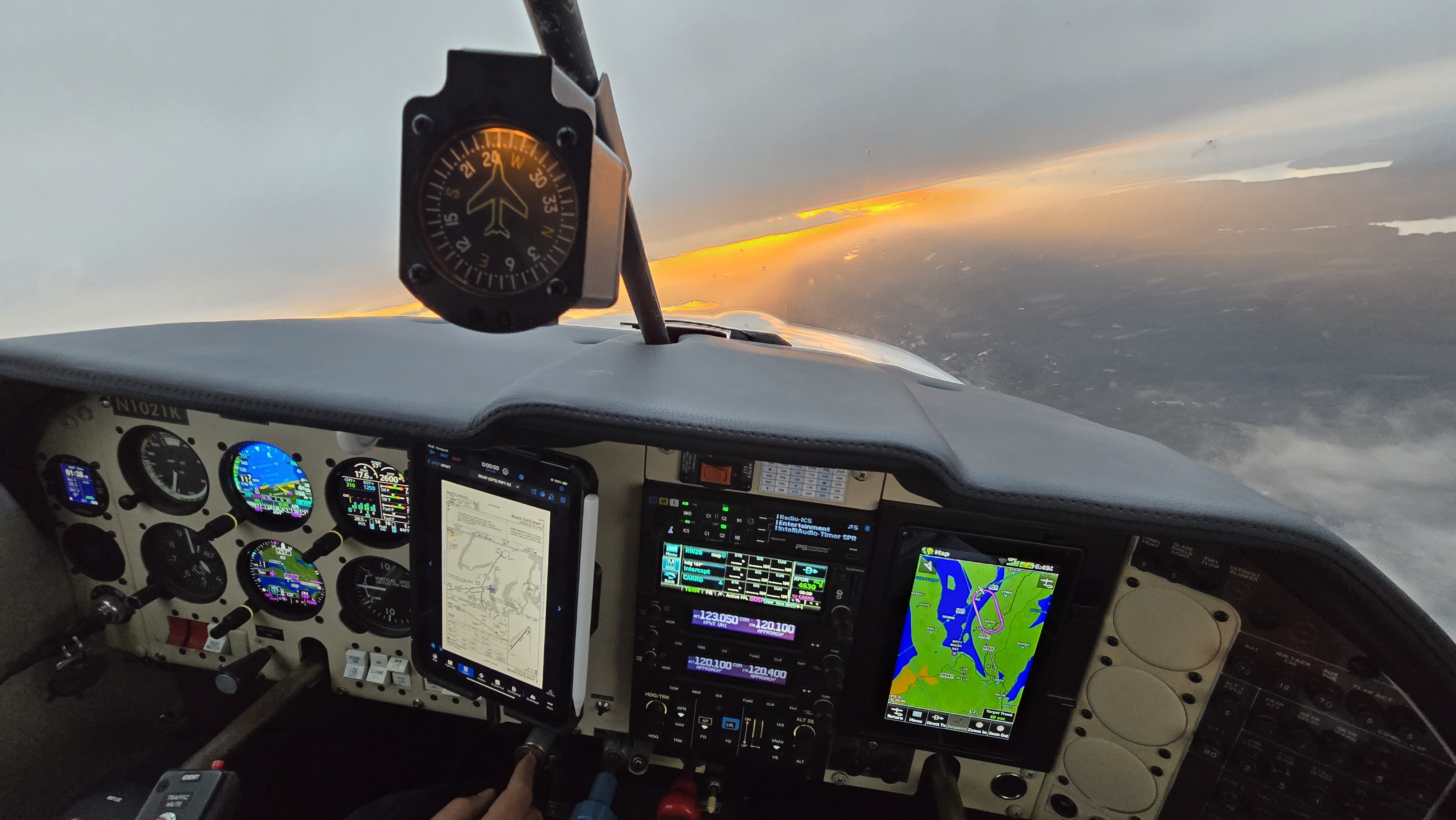
I've been flying since high school and got my Private Pilot License in 2015, followed by an Instrument Rating. I currently fly a 1989 Mooney M20J 201 that's been lovingly upgraded over the years.

The M20J is a special airplane. In the late 1970s Roy LoPresti, an aerodynamics genius who previously designed the Grumman Cheetah and Tiger, joined Mooney and did a complete drag cleanup of the airframe. Resculpted the cowling, covered the landing gear, added gap seals, made a sloped windshield, and dozens of other small refinements that individually added a few mph each. The result was the first 200 HP airplane to cruise over 200 mph, which is where the "201" name comes from. It's a testament to obsessive attention to detail resulting in something special, which is why I love this plane.

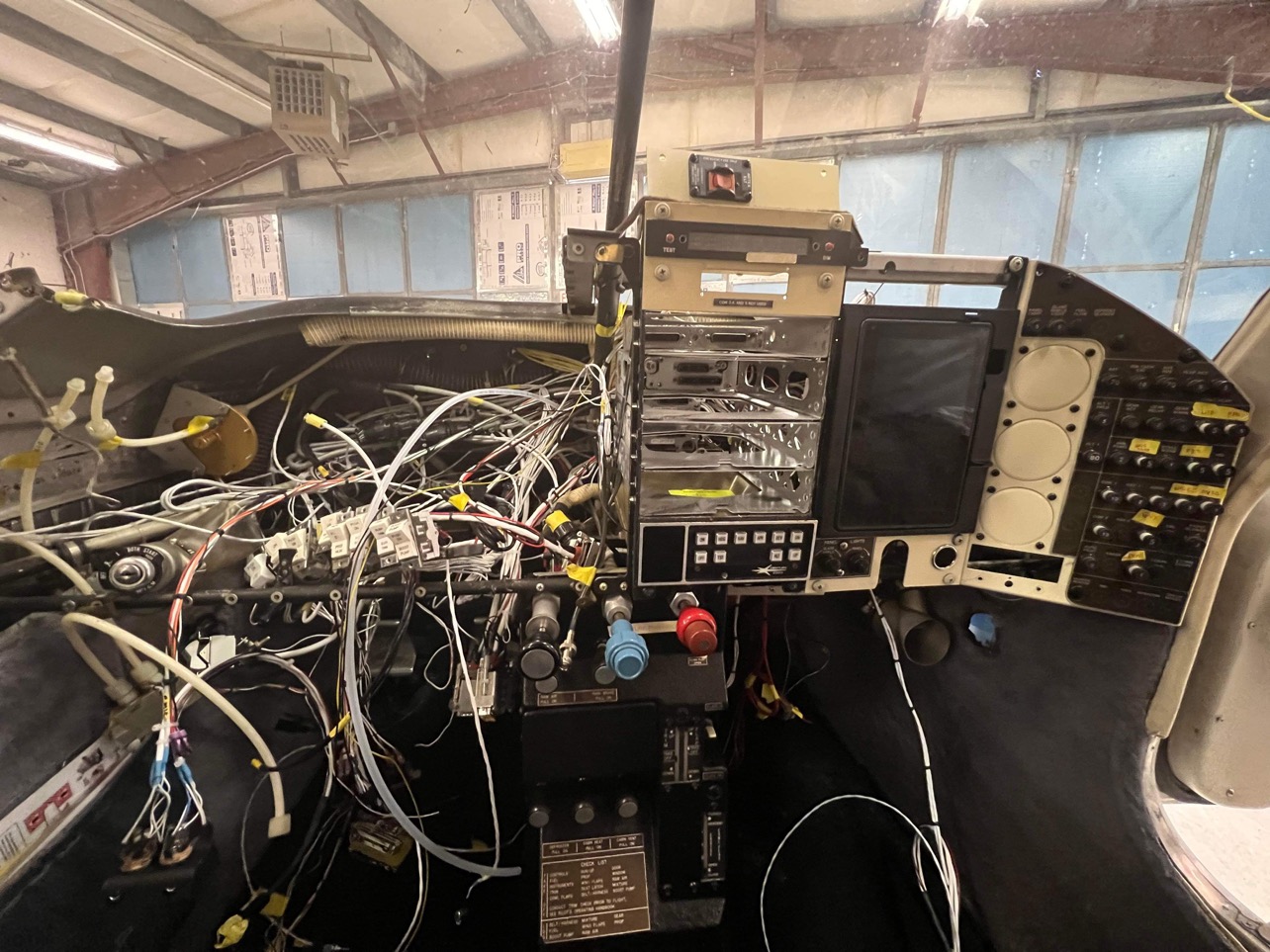
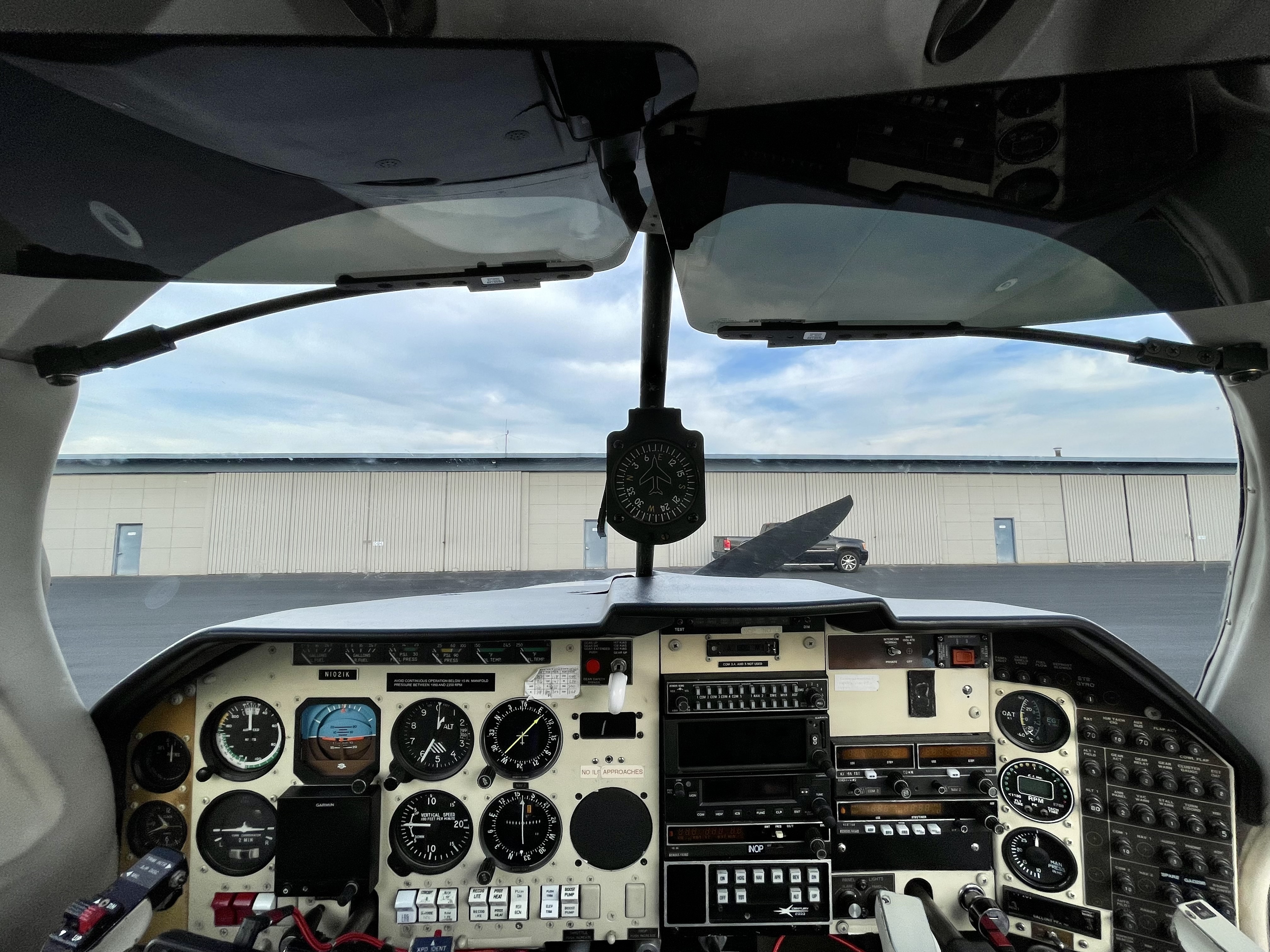
The panel was recently gutted and rebuilt with a modern glass cockpit: three Garmin GI-275s (attitude indicator, HSI, and engine monitor), a GNX 375 GPS/transponder, GFC 500 autopilot, GNC 255 nav/comm, GTR 225 comm, PS Engineering PMA450B audio panel, an AV-20 backup attitude indicator, an Aera 760 portable GPS, and a quick-attach iPad mount for ForeFlight.

Rebuilt glass cockpit in flight at sunset
The original steam gauge panel Before
Panel mid-gutting with exposed wiring Mid-gutting
Patents